
 Between the oil changes and the old coffee pot, hangars have become the unofficial classrooms of aviation.
Flying at Night: A Different Sky, A Different Set of Rules
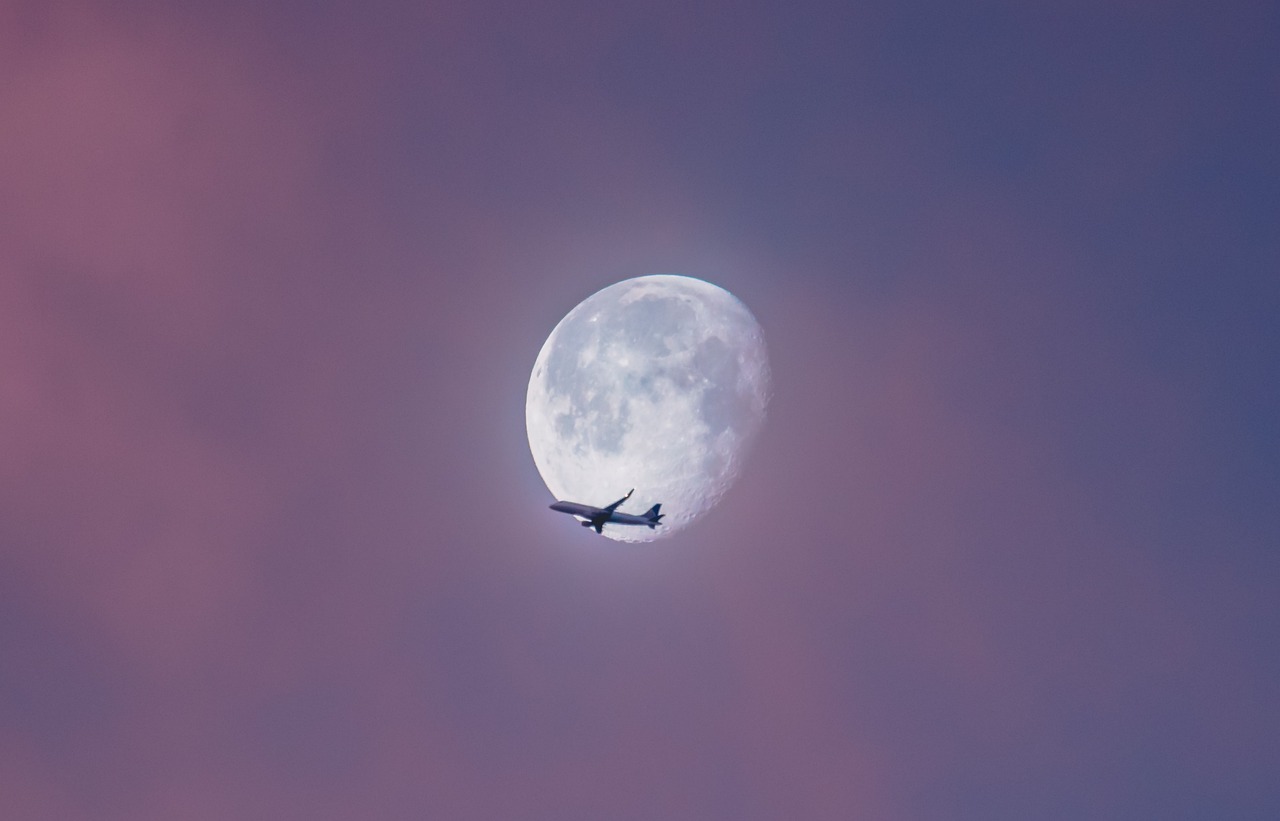
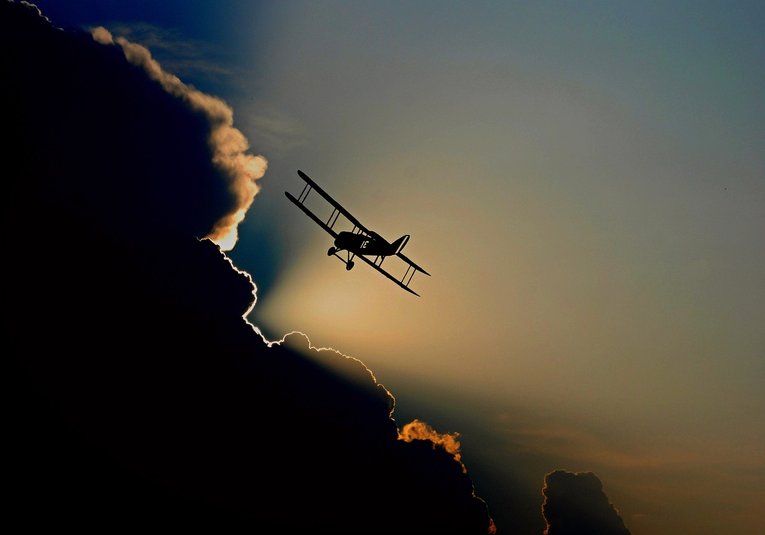
The first time you fly at night, the experience is disorienting and beautiful in equal measure. The horizon disappears. The ground becomes a field of scattered lights. The sky above is deeper and darker than any sky you have seen from the ground. It is a different world, and it demands a different approach.
Night flying is not inherently more dangerous than day flying, but it removes some of the safety nets. Visual references are fewer. Emergency landing options are harder to see. The human body, tired and adapted to daylight, is more prone to illusions. Pilots who fly at night learn to compensate with preparation and discipline.
Illusions and the Black Hole Approach
One of the most well-known night hazards is the black hole approach. When a runway is surrounded by dark terrain and there are few ground lights, the pilot can lose depth perception and fly too low or too high on final approach. The lights of the runway appear to float in a void, and without a visible horizon, the brain struggles to judge altitude and distance.
The remedy is to rely on instruments. A pilot flying a night approach should trust the altimeter, the vertical speed indicator, and the glide slope, not the picture out the window. This is easier said than done. The visual system is powerful, and it can override what the instruments are saying. Training and repetition help, but the risk never fully goes away.
Other night illusions include the false horizon, where a line of lights on the ground is mistaken for the horizon, and autokinesis, where a single point of light appears to move because the eye has no other reference. These are not rare occurrences. They are part of the night environment, and pilots learn to recognize them.
The Quiet Beauty of the Night Sky
Despite the challenges, night flying has rewards that daytime flying cannot match. The air is often smoother, because the sun is no longer heating the ground and creating thermals. Traffic is lighter. Radio frequencies are quieter. And the view, when conditions are right, is unforgettable.
Flying over a city at night is like flying over a circuit board. The streets glow in orange and white, the highways are rivers of light, and the airport beacon sweeps across the sky. On a clear night away from cities, the stars are so numerous that they can be distracting. The Milky Way stretches across the windscreen like a road.
Night flying also builds character. It forces pilots to be more deliberate, more reliant on instruments, and more honest about their own limitations. It is not for everyone, and it is not for every flight. But for those who prepare well and fly within their margins, the night sky offers a kind of solitude and wonder that is hard to find anywhere else.