
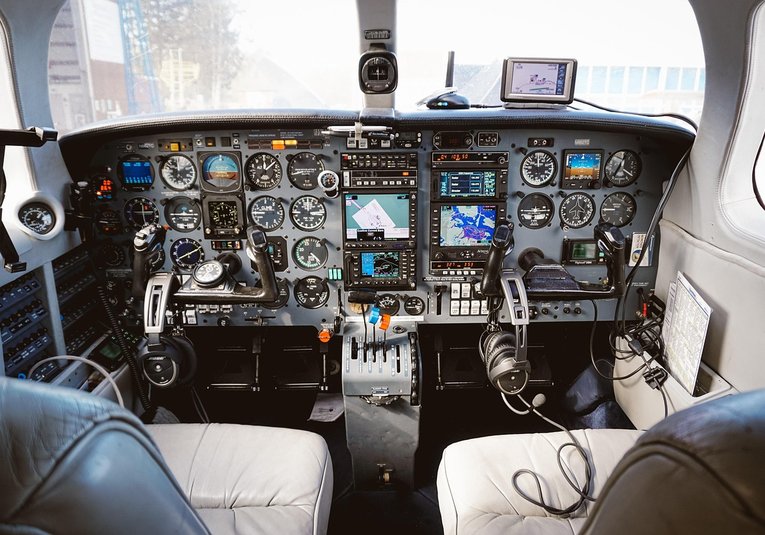
 That quiet cockpit after your instructor climbs out is where book knowledge finally becomes instinct.
Gliding: Finding Lift in Air That Looks Empty
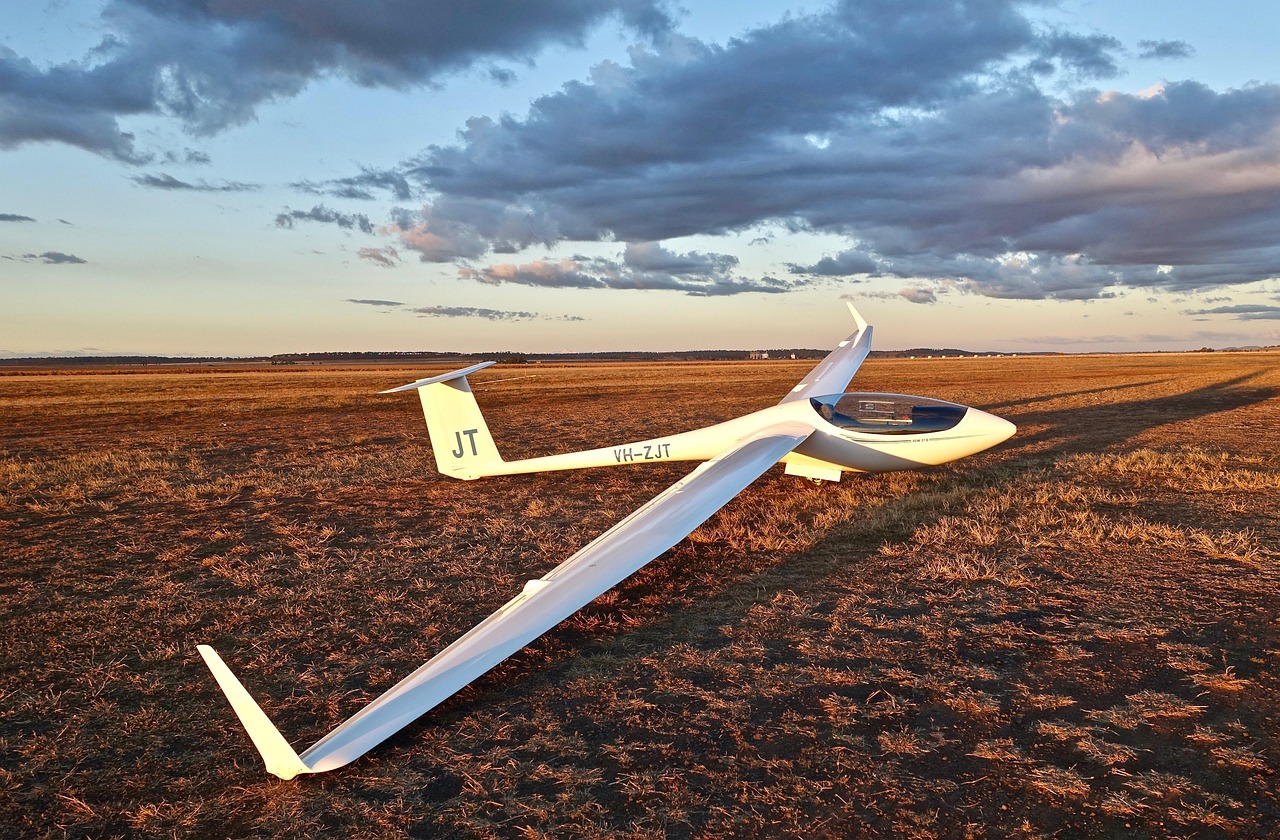
A sailplane has no engine, which means every minute of flight is borrowed and must be repaid with found lift. To someone on the ground, the sky looks like empty blue. To a glider pilot, it is a landscape of rising thermals, ridge lift, and wave patterns that can carry an aircraft thousands of feet without a single drop of fuel.
The first lesson in soaring is that altitude is currency. You spend it to travel, and you earn it back by circling in air that is moving upward faster than your sink rate. A weak thermal might give you one or two knots of climb. A strong one, on a good summer afternoon, can push a sailplane up at five knots or more, enough to climb back to cloud base and set off toward the next source of lift.
Reading the Ground for Signs of Rising Air
Thermals are triggered by the sun heating the surface unevenly. Dark fields, parking lots, and rocky slopes warm faster than forests and lakes, so they spawn columns of rising air that glider pilots hunt like hunters track game. Dust devils, soaring birds, and the flat bottoms of cumulus clouds all mark the same thing: air going up.
Finding a thermal is only half the skill. Centering it is the other half. A thermal is not a pipe but a drifting, tilted column, and a pilot who circles in the wrong spot slides out the side and loses the climb. The best soarers feel the shift through the seat of their pants and the variometer's song, adjusting bank angle in small corrections until the climb rate peaks.
Cross-Country Without an Engine
Once a pilot can reliably find and center thermals, the next step is going somewhere. Cross-country soaring means leaving the safety of the home field and committing to a route where every landing spot is a farm field or a grass strip. Pilots study maps for landable fields the way hikers study water sources on a desert trail.
The reward is a kind of flight that feels closer to bird than machine. No engine noise, just the rush of air over the wings and the quiet click of the variometer. A pilot can stay aloft for hours, travel hundreds of miles, and land back home having never burned a drop of fuel, having simply read the sky correctly and used what it offered.