
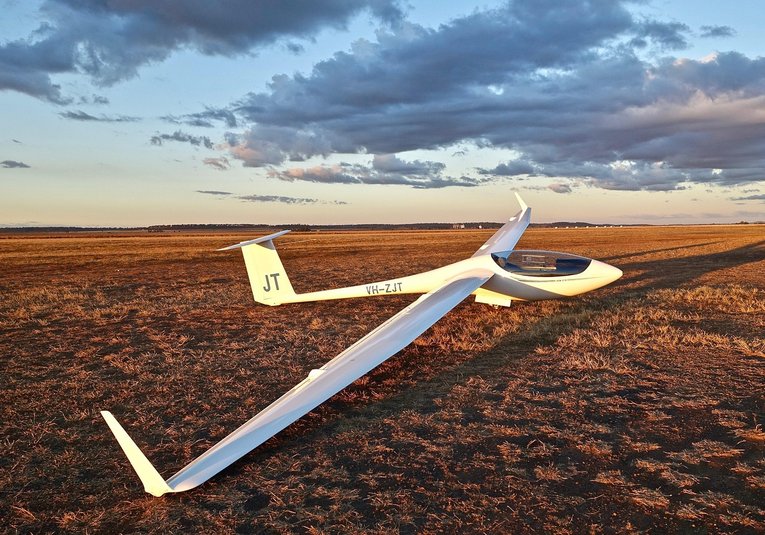
 Sailplane pilots turn invisible columns of rising air into hours of silent flight.
The Hangar Talk Tradition: Why Pilots Never Stop Telling Stories
Every airport has one. A hangar with mismatched chairs, a coffee maker that has not been cleaned since the Clinton administration, and a corkboard covered in faded photos of airplanes that have long since been sold or wrecked. This is where the real aviation education happens.
Hangar talk is not a formal institution. There is no curriculum, no syllabus, no sign-up sheet. But if you spend enough Saturdays around small airports, you will absorb more practical wisdom than any textbook can offer. You will hear about the time someone landed downwind at a mountain strip, or the winter morning when the carburetor iced up on climbout, or the passenger who opened the door in flight because they thought it was stuffy.
The Stories That Keep Pilots Alive
Most hangar stories are funny in retrospect. A few are not. The ones that stick with you are the ones where something went wrong and the pilot had to think fast. Those stories get told and retold, not because pilots enjoy reliving them, but because they serve as warnings. They are case studies wrapped in narrative.
When an old crop duster describes the day he flew into a dust storm and lost the horizon, he is not just entertaining a crowd. He is teaching a lesson about spatial disorientation. When a charter pilot talks about the passenger who panicked during turbulence, she is passing on a technique for calming someone down. These stories are the oral tradition of aviation, and they carry more weight than a paragraph in a manual because they come with a face and a voice.
New pilots often arrive at the hangar with questions they are afraid to ask their instructor. Hangar talk is where they get answers. It is also where they learn that everyone makes mistakes, that humility is a survival trait, and that the pilot who claims to have never scared themselves is either lying or not paying attention.
A Community Built on Shared Risk
What holds hangar culture together is a shared understanding of risk. Pilots know that the person sitting across from them has faced the same decisions, the same weather, the same mechanical quirks. There is a camaraderie that comes from knowing that the sky does not care who you are or how many hours you have logged.
That camaraderie extends beyond the hangar. Pilots check on each other. They offer rides to stranded strangers. They lend tools, share charts, and show up when someone needs help. The community is small enough that reputations matter and large enough that you can always find someone who has been through what you are facing.
The next time you pass a small airport, look for the hangar with the open door and the smell of coffee. Pull up a chair. You might not fly that day, but you will learn something. And you will probably hear a story worth retelling.