
 In remote Alaska, the runway is whatever the pilot can find and the forecast is more of a suggestion.
The First Solo: What Student Pilots Learn When the Instructor Steps Out
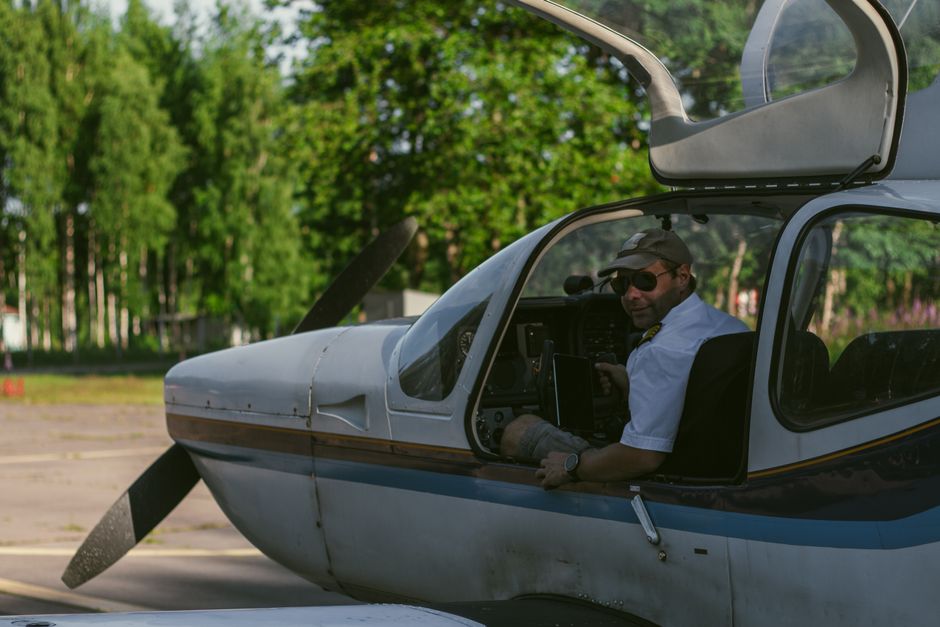
The moment your instructor unbuckles and says, "You've got it, take it around the pattern," the airplane feels different. Not heavier, exactly, but more yours. The checklist that seemed like a formality now reads like a lifeline. Every gauge matters. Every radio call carries a little more weight. Student pilots describe this as the moment training stops being a class and starts being a relationship between a person and a machine.
Most of the work happens before the door ever closes. Your instructor has spent hours drilling emergency procedures, teaching you to scan for traffic, and correcting the small habits that could become dangerous ones. By the time you fly alone, you are not learning anything new. You are proving that what you already know can survive without a safety net in the right seat.
Why the Pattern Feels Longer Alone
A traffic pattern that takes eight minutes with an instructor can feel like an hour when you are the only person on board. There is no one to chat with during the downwind leg, no second set of eyes calling out altitude drift. You talk to yourself, out loud sometimes, and that turns out to be useful. Verbalizing your checks catches errors that silent thinking misses.
Landing is where the difference shows most. Without someone beside you, the runway seems narrower and the flare feels later. Instructors often say the first solo landing is either the student's best or their worst, rarely anything in between. Either way, it teaches something no dual flight can: that the judgment is yours now, and it holds up.
What Comes After the Shirt Tail
The tradition of cutting a student's shirt tail after a first solo goes back to the days of tandem open-cockpit trainers, when an instructor tugging on the back of a shirt was the only way to signal a student to level off or turn. Once the student flew alone, that signal was no longer needed, so the tail came off. The ritual survives because it marks something real.
After the solo, training shifts. Cross-country flights, night work, and instrument time build on the confidence earned in that empty cockpit. But pilots tend to remember the solo more vividly than any checkride. It is the day the airplane stopped being a classroom and became a place where you were simply, finally, alone with the sky.