 The best aerial shots come from planning the flight as carefully as the photograph.


Slot Volatility, Poker Tells & Smart Betting: An iGaming Deep Dive
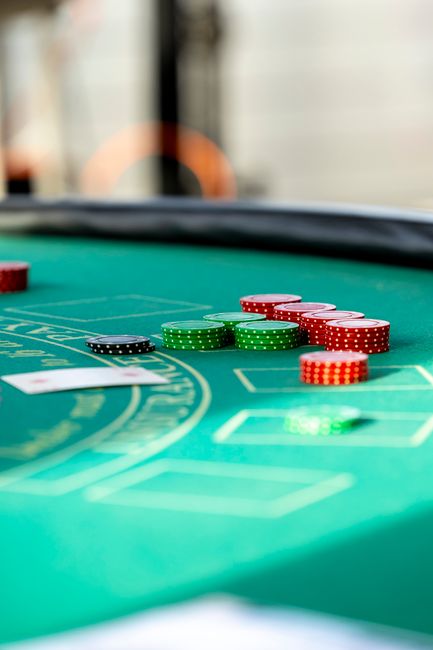
You're staring at a slot screen. The reels spin, stop, and… nothing. Again. Meanwhile, the guy next to you just hit a 500x multiplier on his third spin. Is it luck? Partly. But there's a hidden architecture behind every spin, bet, and bluff — and understanding it separates the casual player from the sharp one. Whether you're grinding low-stakes poker, chasing jackpots, or just trying not to bleed your bankroll on sports bets, the iGaming world rewards those who look under the hood. Let's pop it open.
Slot Volatility: The Number That Actually Matters
Forget RTP for a second. Yes, return-to-player (usually 94–97% on modern slots) tells you the house edge over millions of spins. But volatility — sometimes called variance — tells you how that edge plays out. Low-volatility slots like Starburst pay small, frequent wins. High-volatility monsters like Book of Dead or San Quentin can go 100+ spins without a payout, then dump 5,000x in one bonus round.
Why does this matter? Because your session length and enjoyment depend on it. If you have a $100 bankroll and want to play for two hours, a high-volatility slot will likely eat you alive in 20 minutes. Low volatility stretches it out. Here's a quick heuristic:
- Low volatility: bet 1–2% of bankroll per spin. Good for long, chill sessions.
- Medium volatility: bet 0.5–1% per spin. Balanced risk.
- High volatility: bet 0.1–0.5% per spin. You're hunting the big one, not surviving.
Also, check the max win. A slot with 10,000x potential but 96% RTP? That RTP is calculated over infinite spins — your realistic outcome is far lower. Don't let the shiny number fool you.
Poker Tells in the Digital Age: It's Not About Faces
Live poker tells are romantic — a shaky hand, a quick glance at chips. Online? Forget it. But digital tells exist, and they're just as exploitable. Here are three you can spot in real time:
- Timing patterns. A player who instantly calls every street then suddenly tanks for 15 seconds on the river is rarely bluffing. That tank is often genuine — they're deciding how much to value bet. Conversely, a snap-call on a scary board (four to a straight) usually means a draw that missed and they're afraid you'll bet.
- Bet sizing leaks. Recreational players bet 1/3 pot with weak hands and 3/4 pot with strong ones. Watch for min-bets on the flop — that's often a draw trying to set its own price. Raise them relentlessly.
- Chat volume. The guy typing 'nice hand' after every loss is usually tilted. The silent one is dangerous. Silence in online poker often means focus — or a monster.
One more: use a HUD (Hold'em Manager, PokerTracker) if the site allows. Stats like VPIP (voluntarily put money in pot) and PFR (preflop raise) tell you more in 10 hands than an hour of table observation. A 60/5 player is a calling station — value bet them thin. A 15/12 nit? Steal their blinds until they adjust.
Betting Markets: Where the Real Edge Lives
Sports betting isn't just picking winners. The sharpest bettors don't care who wins — they care about closing line value. If you bet a team at +150 and they close at +120, you got a good price, even if you lose. Over 1,000 bets, that edge compounds.
Three practical tips: For more on this, see xoilac.
- Shop lines. The difference between -110 and -105 on a $100 bet is $5. Over 500 bets, that's $2,500. Use odds comparison sites.
- Fade public teams. The Lakers, Cowboys, and Man United are always overbet. The line shifts against you because books know the public will load up. Look for value on the other side.
- Live betting is a trap for 90% of players. In-play odds move fast, and the house edge is often higher. If you can't calculate implied probability in your head, skip it.
And a data point: According to a 2023 study by the UNLV International Gaming Institute, only about 2% of sports bettors are long-term profitable. Most of that 2% bet into closing lines and exploit stale numbers. Be the 2%.
Bankroll Management: The Boring Skill That Wins
You can be the best poker player in the room and still go broke if you play stakes that are too high. Same with slots and sports. The rule is simple: never bet more than 5% of your total bankroll on a single outcome, and for slots, keep it under 1% per spin if you want any longevity.
Split your bankroll into units. For poker, 100 buy-ins for cash games is standard. For tournaments, 50–100 buy-ins. For sports, 1–2% per bet. For slots, treat it as entertainment money — not an investment. If you deposit $200, decide now: 'This is gone.' Then play for fun, not to win it back.
One more thing: track everything. A simple spreadsheet with date, game, stake, outcome, and notes will teach you more about your leaks than any forum post. After 100 sessions, patterns emerge. Maybe you lose more on weekends. Maybe you tilt after a bad beat. Data doesn't lie.
The Psychological Trap: Near Misses and Sunk Costs
Slots are engineered to trigger near misses — two scatters on a bonus trigger, a jackpot symbol one reel away. Your brain releases dopamine anyway, because it almost happened. That's not a bug; it's the feature. The same goes for poker: you remember the bad beats, not the times you sucked out. This is called survivorship bias, and it's why players chase losses.
Recognize the trap. If you feel the urge to 'win it back,' stop. Close the app. Walk away for 30 minutes. The best iGaming decision you'll ever make is the one where you don't play a hand, spin, or bet.
Final Thought: Play the Player, Not the Game
Every iGaming product — slot, poker table, sportsbook — is designed to separate you from your money. The only way to win long-term is to treat it as a game of skill wrapped in luck. Learn volatility. Read timing tells. Shop lines. Manage your bankroll like a business. And accept that variance is a bitch, but over enough hands, spins, and bets, the sharper player walks away with more. Not every session, not every week, but over time. That's the only edge that matters.